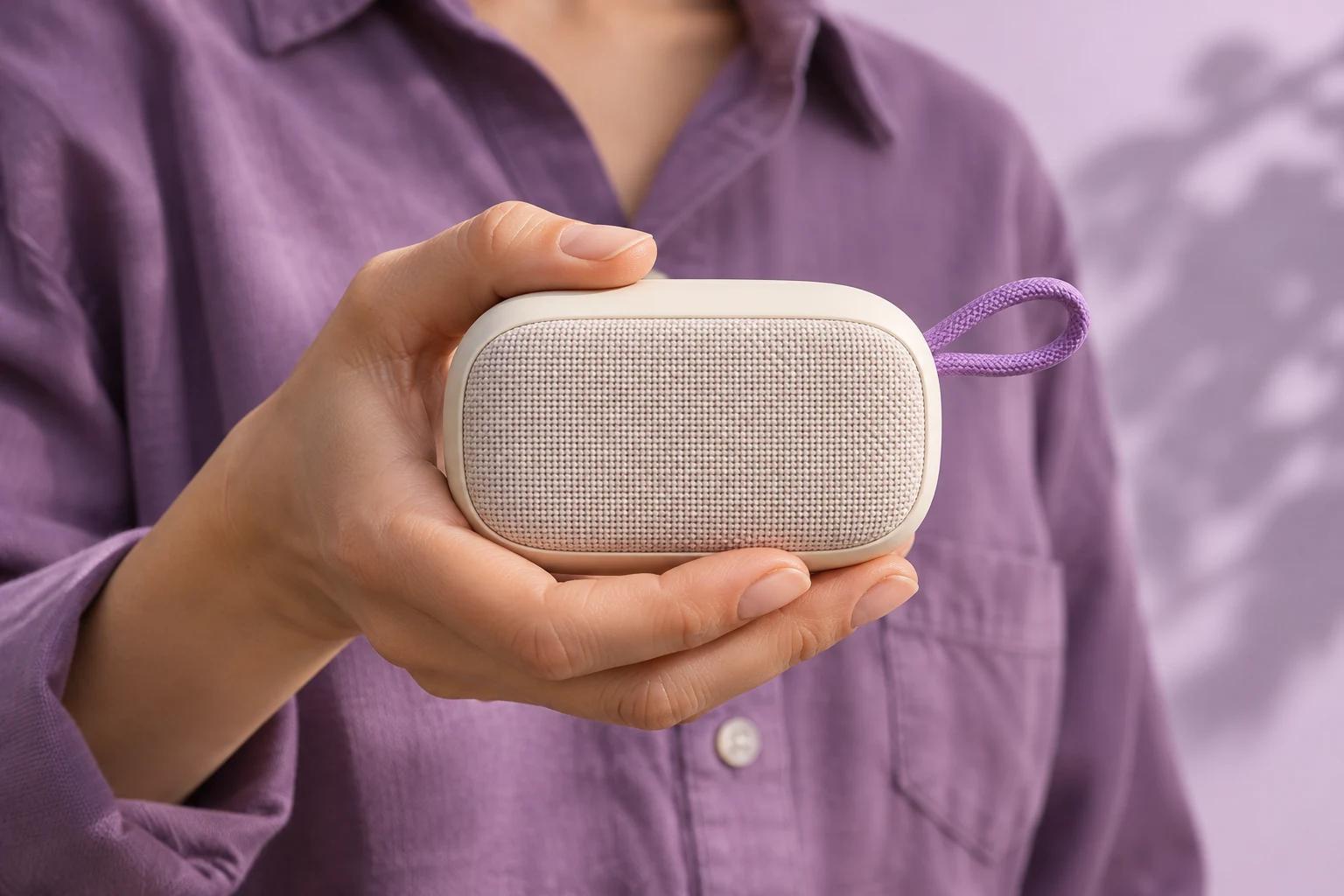
Catalog trust goes beyond a perfect photo.
Aesthetics and perceived usability are different from actual quality. Pair a polished presentation with information people can verify.

A tidy grid can create a polished first impression. The next question is whether that promise holds when someone looks for information. A professional catalog needs to expose the details that help people evaluate a product, rather than merely presenting an attractive surface.
What the aesthetic-usability effect describes
Nielsen Norman Group describes a tendency to perceive visually attractive products as more usable, even when they are not more effective. It also notes a limit: aesthetics cannot compensate for serious functional problems. This is a UX synthesis, not a measurement of trust in Centyr catalogs. [1]
Our interpretation for product imagery
For catalogs, we propose treating visual order as an invitation to explore, supported by concrete product information. This is a design choice. We do not derive a percentage increase in trust, revenue or perceived merchandise quality from this literature.
Show what customers need to evaluate
Expose stitching, texture, joints or finishes when relevant. Pair details with an overall view to retain context. Avoid cutouts that remove fine parts, corrections that change color or shadows that conceal a feature. Preserving information comes before achieving an immaculate surface.
Keep imagery and descriptions consistent
- The displayed variant should match the selection.
- Stated materials and colors should be checked against the source.
- Dimensions should be clearly expressed.
- Included accessories should be distinguishable from styling props.
- Relevant defects or characteristics should not disappear from the content.
This checklist is our proposed operational approach to editorial review.
Separate illustration from documentation
This Journal’s covers are AI-generated and identified as such: they explain topics rather than certify a real product’s characteristics. For a sales page, an invented scene does not verify color, dimensions or material. Always check correspondence with the actual item offered.
An order you can maintain
Centyr can help align subjects, set margins and process backgrounds and shadows according to plan features. Fidelity and completeness approval remain part of your workflow. Inspect exports and collect recurring customer questions: these help reveal what the catalog still fails to explain.
Sources and studies
- Nielsen Norman Group — The Aesthetic-Usability EffectUX synthesis by Kate Moran · accessed November 9, 2026